A good eBay title tells a buyer what the item is and which version you have. Start with the brand and product name or model, then add the details that matter for that item: size, fit, material, color, or a distinguishing feature. Use the words a buyer would actually search for, supported by the item in front of you.
You do not need a clever slogan. You need a clear answer to “Is this the one I’m looking for?” That matters whether you are listing one thrift-store find or working through a rack of inventory.
What belongs in an eBay listing title?
A useful starting structure is brand + product or model + identifying details. The details change with the category. For jeans, that might mean the model, waist and inseam, fit, and wash. For a camera, the exact model and whether a lens is included may matter more than the color.
Write down the facts before arranging the words. Read labels, check model numbers, inspect included parts, and measure where needed. A familiar-looking garment is not enough evidence for a particular decade, fabric, or model.
- Identity: the brand, product type, model, or product line.
- Version: the size, fit, edition, capacity, or other meaningful variation.
- Useful distinctions: lining, material, pattern, included accessories, or a relevant condition qualifier.
Put the product identity early so the title still makes sense when a search result cuts it short. This is a readability choice, not a claim that one word order guarantees a better ranking.
How long should an eBay title be?
eBay allows up to 80 characters, including spaces. Its Seller Center title guidance recommends descriptive keywords and making use of the available space. Spend that space on relevant facts; do not pad a clear title with “WOW,” “LOOK,” or repeated synonyms.
If the title runs long, remove low-value words first. Keep an exact model number or meaningful size ahead of a generic adjective. If it is shorter than 80 characters, check for a missing useful detail rather than inventing one to reach the limit.
Before-and-after eBay title examples
These examples use real items from our Orvillist listing examples. The “before” titles are deliberately simplified rewrites to show the editing choices; they are not historical titles or a sales-performance test.
A denim trucker jacket
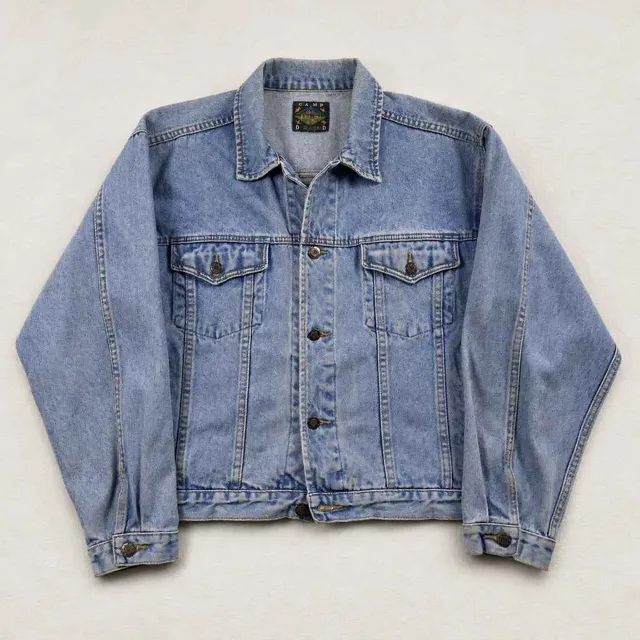
- Before
- Nice Vintage Jean Jacket Blue Medium
- After
- Vintage Camp David Denim Trucker Jacket Men's M Light Wash Blue Button Front
- Length
- 76 / 80 characters
The brand, jacket style, tagged size, wash, and closure replace a vague opinion with details a buyer can use. Vintage stays; an unverified decade does not.
Fleece-lined jeans
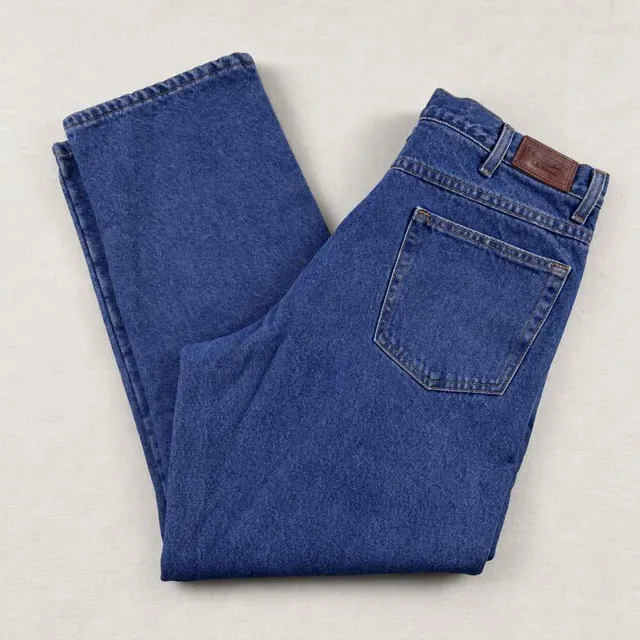
- Before
- LL Bean Blue Jeans Mens Pants Warm Winter
- After
- L.L.Bean Double L Fleece Lined Jeans Men's 34x29 Relaxed Fit Blue Straight Leg
- Length
- 78 / 80 characters
Double L identifies the product line. Fleece lined, size, fit, and leg style distinguish these from ordinary blue jeans. Confirm the stated size against the tag and measurements, and explain any difference in the description.
Patagonia shorts
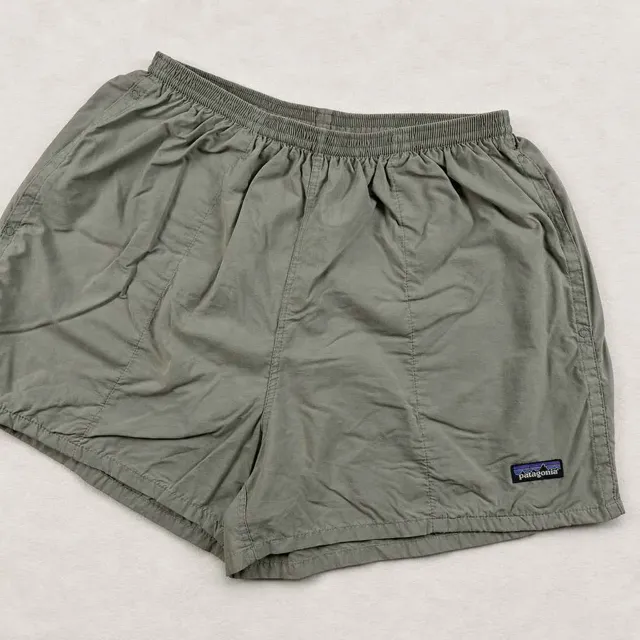
- Before
- Patagonia Green Shorts Great Summer Hiking Swimming
- After
- Patagonia Baggies Shorts Men's L Olive Green Mesh Lined Elastic Waist
- Length
- 69 / 80 characters
Baggies is more specific than a string of possible activities. The size, color, lining, and waistband describe this pair without adding unsupported performance claims.
Choose keywords that describe your actual item
Start with what a buyer could name: “denim trucker jacket,” “fleece lined jeans,” or an exact product model. Then narrow it with the details that separate your item from similar results. A buyer looking for a particular fit needs more than “great pants.”
Similar listings can help you recognize common product terminology, but they are not proof about your item. Check any borrowed wording against your own photos and labels. Do not carry over another seller’s size, model, material, or decade.
Avoid unrelated brand names and strings of loosely connected trends. If you cannot explain why a term accurately describes the item, leave it out. eBay’s listing optimization guidance also recommends clear, relevant titles rather than attention-grabbing symbols and unnecessary capitals.
Keep the title, item specifics, and description consistent
The title introduces the item; the rest of the listing needs to support it. If the title says men’s medium, the size field should agree. If a garment has been altered or the measurements differ from the tagged size, explain that clearly rather than hiding the difference.
Use the description for measurements, detailed wear, included parts, and context that will not fit in the title. A significant limitation, such as an untested electronic item or missing essential part, may deserve a short title qualifier as well as a full explanation.
Complete the accurate, relevant item specifics too. eBay explains that item specifics help it match items to buyers. A strong title does not make those fields optional. Our guide to eBay item specifics explains what to fill in and what not to guess.
Check these five things before publishing
- Can someone identify the product from the opening words?
- Have you included the model, size, or other variation buyers need?
- Can you verify every descriptive claim against the actual item?
- Does the title agree with the photos, specifics, and condition description?
- Is it within 80 characters, with no repeated filler taking up space?
If a listing gets little attention, the title is one place to look, alongside the category, specifics, main photo, demand, and price. A title rewrite alone does not guarantee impressions or a sale. Our guide to common eBay listing mistakes covers the other gaps worth checking.
Write better titles without slowing down your listing work
When you have a lot to list, gathering the right details is often more work than arranging the words. Photograph the item, labels, measurements, and flaws so you have useful evidence to work from. Our product photography guide explains which shots help.
Orvillist uses your photos to identify and research products, then generates titles, descriptions, categories, condition details, item specifics, and recommended asking prices. You can generate multiple listings at once and review or edit the results before publishing directly to eBay. See what Orvillist generates or follow the bulk listing workflow.